Psychotherapist & Counsellor
Gazey Umweni
MBACP (Accred.), MEd, PGDip
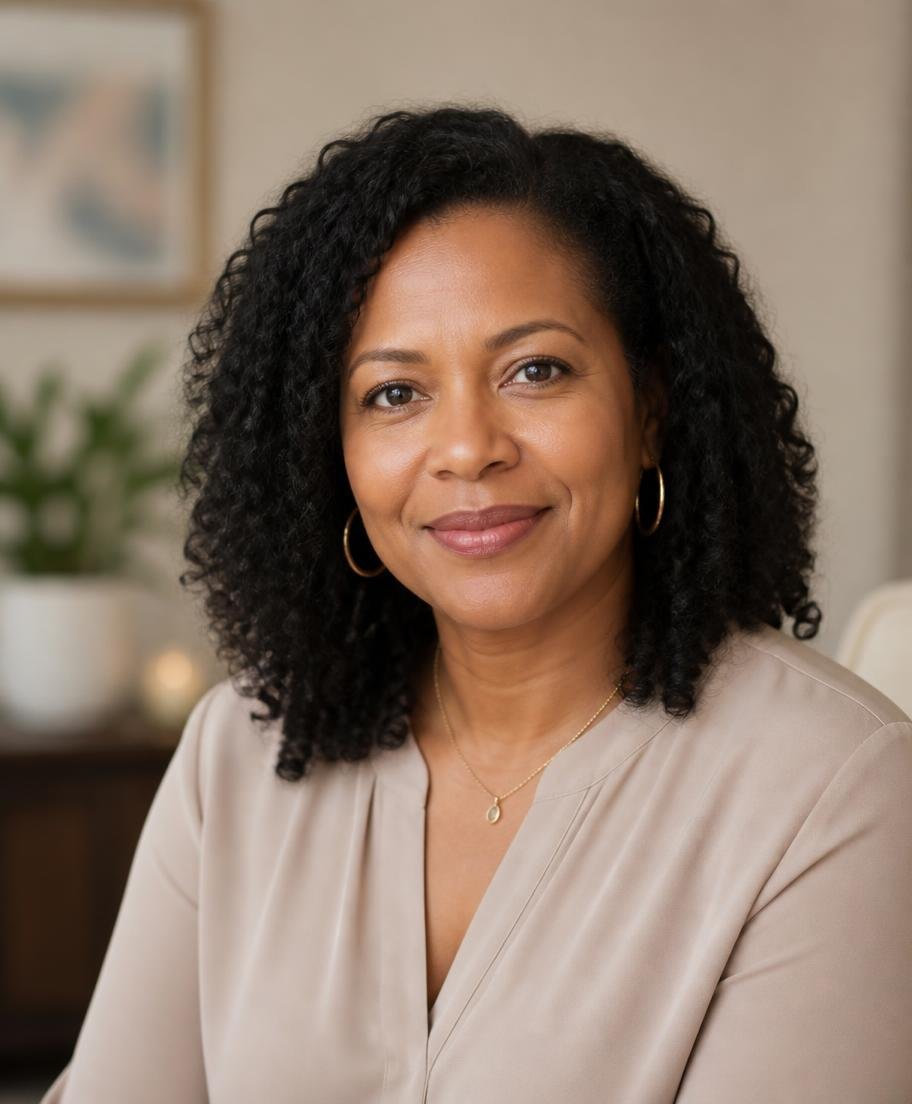
About Me
Gazey Umweni
I am a BACP registered and accredited Psychotherapist and Counsellor specialised working with children, young people, adolescents and adults.
My work is rooted in compassion and a deep understanding of the many layers of trauma and the ways these experiences can shape a person’s emotional, mental, and physical wellbeing. I meet individuals exactly where they are at, offering empathy and a non judgemental therapeutic space that supports the gradual restoration of connection, vitality, and hope. What continues to inspire me in this work is witnessing the human capacity to grow, adapt, and heal after stress or trauma.
Read MoreLess
My interest in this field began over a decade ago when I witnessed first-hand some of the challenges children and young people face as they navigate developmental trauma and adversity and the impact this has on their wellbeing. This led me to train as a child and adolescent psychotherapeutic counsellor. I completed both my postgraduate diploma (PGDip) and master’s degree in child and adolescent psychotherapeutic counselling at the University of Cambridge.
Over the years my career has included working with clients across schools, colleges, and universities. Alongside my private practice I work for a national charity that provides highly individualised therapeutic support for adults, children, and adolescents who have experienced sexual trauma (including childhood sexual abuse, sexual assault, and rape). I support clients experiencing a wide range of emotional and psychological difficulties, including low mood, low self esteem, depression, anxiety, and PTSD. Throughout my career, I have had the privilege of working with individuals from many different backgrounds, cultures, and identities. This experience has deeply shaped my practice and strengthened my commitment to inclusivity, respect, and cultural sensitivity.
I approach each client with openness and curiosity, recognising that every person’s story is influenced by their lived experiences, cultural context, and personal history. My aim is to create a therapeutic space where all clients feel understood, valued, and supported, regardless of their background or identity.
How I Work
A trauma-informed, integrative approach
I am a trauma informed therapist working with children, young people, adolescents, and adults. My approach is flexible and integrative, shaped by the understanding that every person’s story, pace, and needs are unique. My training allows me to draw from and integrate a range of therapeutic modalities including trauma informed therapy, creative and expressive arts, humanistic, psychodynamic, somatic work so that our work together is tailored specifically to you.
Read MoreLess
I recognise how significant it can feel to take the first step into therapy. Many people come seeking a safe, confidential, and non judgemental space where they can begin to unpack their experiences and build a meaningful connection with their therapist. I offer a calm, grounded environment where you can explore your thoughts and feelings at a pace that feels right for you.
My way of working is rooted in empathy, kindness, and respect. I support individuals facing a wide range of emotional and relational challenges. Together we will gently explore the emotional and mental burdens you may be carrying and work towards restoring clarity, resilience, and a renewed sense of hope.
Creativity is available in the therapy room for those who find it helpful to express themselves beyond words, while others may prefer reflective, insight based conversations. Whatever your preference, our sessions will be collaborative, supportive, and centred around your goals.
I can help with
- Anxiety
- Cultural issues
- Depression
- Developmental trauma
- Gender and identity issues
- Loss
- Sexual trauma
- Sexual trauma
- Anxiety
- Cultural issues
- Depression
- Developmental trauma
- Gender and identity issues
- Loss
- Sexual trauma
- PTSD
Therapies Offered
What this covers
Talking Therapy
Talking therapy is a powerful and evidence-based way to support emotional, psychological, and relational wellbeing. At its core, it offers a safe, confidential space where you can explore your thoughts, feelings, and experiences with someone who listens without judgement. For many people, simply having the opportunity to speak openly — perhaps for the first time — can bring clarity, relief, and a renewed sense of possibility.
Read MoreLess
Research consistently shows that talking therapy can help reduce symptoms of anxiety, depression, trauma, and stress. It can improve self-esteem, strengthen relationships, and support healthier ways of coping with life’s challenges. The therapeutic relationship itself plays a central role: feeling understood, validated, and supported can create the conditions needed for meaningful change.
Talking therapy is not about giving advice or telling you what to do. Instead, it helps you make sense of your experiences, recognise patterns, and develop new perspectives. Over time, this process can lead to greater emotional resilience, improved wellbeing, and a deeper understanding of yourself.
For some people, talking therapy provides a space to process past experiences or trauma. For others, it offers support during times of transition, loss, or uncertainty. It can also be a place to explore identity, relationships, or feelings of “stuckness.” Whatever brings you to therapy, the work is collaborative and we move at your pace, focusing on what feels most important to you.
Talking therapy is effective because it honours your story, your strengths, and your capacity for growth. With the right support, healing becomes possible, and new ways of living and relating can begin to emerge.
Play Therapy and Expressive Arts
Play and creative expression are natural and powerful forms of communication, particularly for children and young people. These approaches offer a non-verbal pathway for exploring emotions, experiences, and internal worlds that may be difficult to express through words alone. Research consistently highlights the importance of providing a safe, supportive space where unconscious processing can take place — especially for those who have experienced trauma.
Read MoreLess
Creative and expressive methods can also be highly effective for adults. Many people find that when words feel limited or when they feel “stuck,” alternative forms of expression such as drawing, journalling, music, movement, or poetry can help unlock deeper insight and emotional release. These approaches can be especially supportive for neurodiverse clients, who may prefer a blend of verbal and non-verbal communication.
My role is to work collaboratively with each individual to understand what feels most comfortable and effective for them. Together, we identify the therapeutic methods that best support your unique way of processing, expressing, and healing.
Somatic Work
Somatic body work is based on the understanding that trauma is not only a psychological experience — it is also held in the body, particularly within the nervous system. Working somatically means paying attention to non-verbal cues such as posture, breath, muscle tension, and other survival responses the body has learned in order to cope.
Read MoreLess
The aim of this approach is to help you gently notice what is happening in your body and begin to reconnect with it in a safe and supported way. Somatic work can be especially effective for complex trauma, dissociation, chronic stress, and other experiences where the nervous system becomes overwhelmed. Over time, this process supports a shift from states of fight-or-flight towards greater calm, regulation, and connection with yourself and others.
Working Together
The process
01
Initial Contact
I offer a complimentary 15-minute introductory call. This call is an opportunity for you to share what has led you to consider therapy and ask any questions about the way I work.
Read MoreLess
This provides an opportunity for you to briefly discuss your needs, ask questions and learn more about how I work. I will also discuss my availability at this stage. You can contact me and let me know if you would like us to proceed.
02
The First Session
The first session will give us the opportunity to get to know each other. I will carry out an assessment. This will be a 50-minute session to talk about what has brought you to therapy, your current concerns, your hopes and expectations for therapy. This will be another opportunity for both of us to see if we are able to work together.
Read MoreLess
If we agree to work together, I will send you a contract which will agree on a regular time and day for our sessions. Sessions are typically held weekly on the same day and lasts for 50 minutes. It is also an opportunity to discuss other practical issues. If you need to make any changes, I ask that you provide 48 hours’ notice.
03
Fees
Sessions cost £70. I offer a concession rate for those on low-income.
- £70 per session
Qualifications
Training & credentials
- Masters (MEd) in Child and Adolescent Psychotherapeutic Counselling
- Post Graduate Diploma (PGDip) in Child and Adolescent Psychotherapeutic Counselling
- Certificate in Traumatic Stress Studies (Trauma Research Foundation)